









Pharmaceutical Grade Cellulose Ether
HPMC is commonly used as a film coating agent to improve tablet appearance, enhance mechanical strength, and provide moisture and light protection for active ingredients. In controlled-release formulations, it functions as a hydrophilic gel matrix to regulate drug release rates and ensure consistent therapeutic effects. In liquid preparations such as eye drops, HPMC acts as a suspending and solubilizing agent, improving clarity and physical stability.
In pharmaceuticals, MC serves as a binder and film coating material in tablets, improving product stability and enabling controlled drug release. With strong thermogelling characteristics and compliance with multiple pharmacopoeias, MC is a versatile, multi-functional polymer suitable for various industrial and healthcare applications.
Physicochemical Property
- •Appearance: White or off-white fibrous or granular powder.
- •Particle size: The 100-mesh passing rate is greater than 98.5%; the 80-mesh passing rate is 100%.
- •Carbonization temperature: 280 – 300℃.
- •Bulk density: 0.25 – 0.70 g/cm³ (usually around 0.5 g/cm³), specific gravity 1.26 – 1.31.
- •Color change temperature: 190 – 200℃.
- •Surface tension: 42 – 56 dyn/cm² for 2% aqueous solution.

Food grade cellulose ether
When applied in the field of baked goods, it can maintain gas to increase food volume and improve texture. It also has certain enzyme resistance, emulsification stability and properties conducive to food shaping.When applied in the food field, it can not only be used as an emulsifier, binder, thickener or stabilizer, but also as a coating material to effectively reduce water loss and oil consumption, making the taste fresh and crisp.

The application of food-grade HPMC (MC)
Main Performance
- •Antiseptic performance: The antiseptic performance is far superior to that of starch, and has excellent long-term efficacy.
- •Adhesion performance: Under the effective dosage conditions, it can achieve the best adhesion strength, while also providing moisture and releasing flavor.
- •Cold water dissolution performance: It readily and rapidly hydrates at extremely low temperatures.
- •Emulsification performance: It can reduce interfacial tension and prevent oil droplets from aggregating, thereby achieving better emulsification stability.
QualQuality standard
| Type | 60AX(2910) | 65AX(2906) | 75AX(2208) |
|---|---|---|---|
| methoxy group(wt%) | 28.0-30.0 | 27.0-30.0 | 19.0-24.0 |
| Hydroxypropoxy(wt%) | 7.0-12.0 | 4.0-7.5 | 4.0-12.0 |
| gelation temperature(℃) | 58-64 | 62-68 | 70-90 |
| lossondrying(wt%) | ≤5.0 | ||
| ignition residue(wt%) | ≤1.5 | ||
| Acid-base ratio (1% solution, 25℃) | 5.0-8.0 | ||
| Soluble solids in water (%) | ≤0.5 | ||
| Arsenic salts (ppm) | ≤2.0 | ||
| Heavy metal (ppm) | ≤20 | ||
| Bacteria (per gram) | ≤1000 | ||
| Toxic fungus (plural: fungi) | ≤100 | ||
| Escherichia coli (per gram) |
Packaging and Storage
- •Storage: Store at temperatures below 32℃, in a dry place, and keep away from all open flames.
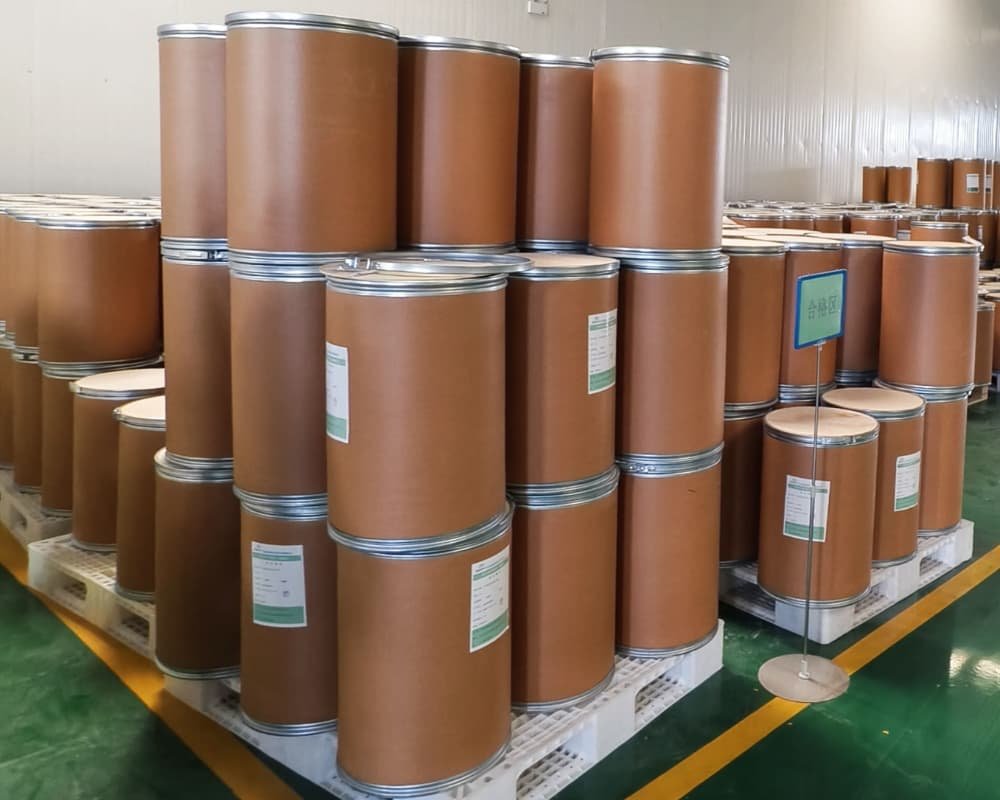
- •Packaging: Cardboard drums (lined with medicinal polyethylene woven bags) Net weight: 12.5kg per drum.
- •Do not prepare this product in any form of EC into drugs that bypass the digestive system or intravenous solutions, as it is difficult for this product to be metabolized.
- •When performing unpacking or bagging operations, be sure to minimize dust to prevent it from entering the eyes and causing irritation.

_1.jpg "glue for tile(2)_1")